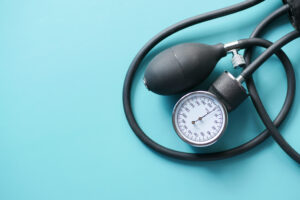
This course is designed for the general public, who have been requested to take their blood pressure readings at home and any General Practice (GP) staff who have never taken Blood Pressure readings for their role before. This course may benefit a new HCA for example, remembering to ensure that assessment of competences should take place in line with local practice and in accordance to the RCNi guidelines. The aim of this training is for the learner to be able to take Blood Pressure readings, manually and using electronic equipment (for Clinical staff), always adhering to your workplace protocols and to be able to record the readings.
Beginners Guide to Blood Pressure Monitoring
Current Status
Price
Get Started
Already enrolled? Click the button to begin
- Average time to complete: 2 hours
- 100% online
- Downloadable resources included
- Free CPD-accredited certificate to evidence professional development
Taking an accurate blood pressure reading involves more than simply applying a cuff and recording the numbers. Positioning, equipment, cuff size and measurement technique can all influence the result, making good foundation training particularly important for anyone new to blood pressure monitoring.
This CPD-accredited online blood pressure monitoring course is designed for anyone who wants to feel more confident checking their blood pressure at home, or junior healthcare professionals who are new to blood pressure monitoring. It explains what blood pressure is, how to use an electronic blood pressure monitor correctly, how to record your readings and what the numbers mean.
The course is particularly useful if a GP, nurse or other healthcare professional has asked you to monitor your blood pressure between appointments. It also helps you understand some of the factors that can affect a reading and when you may need to seek further advice.
Why this course matters
- Builds confidence in taking and recording accurate blood pressure readings
- Introduces the correct use of electronic and manual blood pressure equipment
- Helps learners understand systolic and diastolic blood pressure and how readings are recorded
- Develops awareness of factors that can affect the accuracy of a blood pressure measurement
- Helps recognise high or low readings and understand when concerns need escalating
- Provides useful foundation training for new HCAs and other staff developing clinical observation skills
What you will learn
- What blood pressure is and why blood pressure monitoring is important
- The basic cardiovascular anatomy and physiology relevant to blood pressure
- How systolic and diastolic blood pressure are measured, interpreted and recorded
- How to prepare for and take a blood pressure reading using electronic equipment
- How clinical staff can take a manual blood pressure using a sphygmomanometer and stethoscope
- How to recognise potential measurement errors, abnormal readings and situations requiring further advice or escalation
Who this course is for
This beginner blood pressure monitoring course has two main audiences:
- People who have been asked by a healthcare professional to monitor their blood pressure at home
- New clinical and primary care staff developing basic observation skills
It will also be useful for anyone wanting a basic understanding of blood pressure and how readings are taken
Learning outcomes
By the end of this course, you will be able to:
- Explain what blood pressure is and what systolic and diastolic readings represent
- Identify the main equipment used to measure blood pressure
- Describe how positioning, cuff size and preparation can affect a reading
- Follow the basic process for taking and recording an electronic blood pressure measurement
- Describe how manual blood pressure measurement is undertaken and recognise common sources of error
- Recognise when a blood pressure reading or associated symptoms may require further clinical assessment
Full course description
Understanding blood pressure
Starting with the basics, the course explains what blood pressure measures, why it matters and how the heart and blood vessels work together to circulate blood around the body. Systolic and diastolic pressure are introduced so learners can understand what the two numbers in a blood pressure reading represent.
Equipment and accurate measurement
Electronic monitors and manual sphygmomanometers are introduced alongside the importance of choosing an appropriate cuff size and preparing the person correctly. Practical guidance covers positioning, checking the pulse and reducing some of the common factors that can lead to inaccurate readings.
Taking and recording blood pressure
Step-by-step guidance demonstrates how an electronic blood pressure reading is taken and recorded. For clinical learners, the course also introduces manual blood pressure measurement using a sphygmomanometer and stethoscope, including the role of Korotkoff sounds in identifying systolic and diastolic pressure.
Understanding results and recognising concerns
Learners are introduced to high and low blood pressure, some of the symptoms and factors that may be associated with them, and why unexpected or abnormal results should be followed up appropriately. Lying and standing blood pressure measurements are also introduced, together with circumstances in which postural changes may need further assessment.
Troubleshooting and developing competence
Incorrect cuff placement, poor positioning, irregular pulse, equipment problems and recording errors can all affect blood pressure measurements. The course considers these common difficulties and provides practical troubleshooting guidance.
For healthcare staff, online learning is only part of developing this clinical skill. Learners are encouraged to practice with an experienced colleague and complete appropriate workplace competency assessment before taking blood pressure readings independently.
Assessment and certification
At the end of the course, you will complete an assessment to demonstrate your understanding. You will need to achieve a result of 80% or higher to pass. On successful completion, you will receive a downloadable certificate.
Professional responsibility and scope
This course is designed to support knowledge and understanding but does not in itself confirm competence.
- Competency should be assessed within your workplace
- Practice should align with local protocols, current guidance, and professional standards
- You are responsible for applying learning appropriately within your role
Average time to complete
Approximately 2 hours, depending on your prior knowledge and experience. The course is fully self-paced, allowing you to complete it in stages. You can revisit any sections that you’re unsure of.
Course Content
Frequently asked questions (FAQs)
Can I buy this course for someone else?
Yes. To do this, register using their email address and the name they would like to appear on their certificate.
For example, you might know them as Kate, but they may need their certificate issued in their full birth name, Katherine. It’s best to check these details with them first.
Once the purchase is complete, they will receive the automatic course link by email.
Can I complete the course in my own time, and how long do I have to access it?
All of our online courses are self-paced, so you can complete them at a time that suits you. Your progress is saved at the end of each lesson, allowing you to return and continue later.
You will have six months from the date of enrolment to complete the course. After six months, the course will no longer be available.
Some courses, such as Basic Life Support, must be completed annually by clinical staff. A new course will therefore need to be purchased each year to ensure the training reflects the most up-to-date guidance.
Can I access the training material after completing the course?
Yes. The course materials are available to download during your access period, so you can keep a copy for future reference. Your course access will remain active for six months from the date of enrolment, after which the course will no longer be available.
Which payment methods do you accept?
We accept card payments via Stripe. You can pay using a debit or credit card (such as Visa or Mastercard).
When will I get my certificate?
As soon as you have passed the end-of-course assessment and achieved the required pass rate of 80% or more, your certificate will be available to download from the top of the course page.
Do you offer refunds if I no longer need the course?
Refunds may be available if you have not logged into your account.
Once you have logged in, you will have access to the course materials and downloadable content, and a refund will no longer be possible.
What should I do if I can't log into my account?
When registering, please make sure you enter the correct email address, as login issues are often caused by an incorrect email being used. It can help to copy and paste your email address to avoid mistakes.
If you are unable to log in, click ‘Forgotten password’ and follow the instructions to reset your password via the email link sent to you.
If you continue to experience issues, please contact GPHA-training@gphealthcarealliance.co.uk and we will endeavour to respond within two working weeks.
Save with flexible discounts
Create a bespoke training package:
Choose five or more courses for one learner and receive 30% off the full package
Book training for your team:
Purchasing multiple licences for the same course?
- 5 or more learners, receive 10% off
- 10 or more learners, receive 20% off
To receive a discount code or discuss offers, email gpha-training@gphealthcarealliance.co.uk
CPD for Organisations
We provide fully accredited course packages for your organisation, giving you the confidence your workforce is fully qualified.